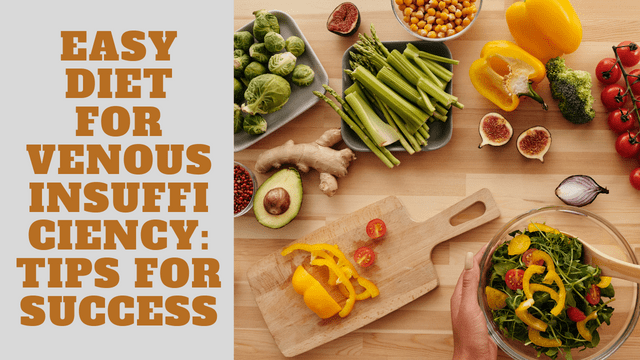
Are you or someone you know struggling with venous insufficiency? This condition can be frustrating to manage, and it’s common to feel like there are no easy solutions. However, did you know that simple dietary changes can make a significant impact on venous insufficiency symptoms? In this blog post, we will explore the role of diet in managing chronic venous insufficiency and provide key dietary recommendations for those seeking relief. From hydration to incorporating flavonoids into your diet, we’ll cover everything you need to know about the foods that can help improve your vein health. We’ll also discuss existing vein treatment options and answer some common questions about diet and venous insufficiency. So if you’re ready to take control of your condition and start feeling better, keep reading!
Understanding Chronic Venous Insufficiency
Chronic venous insufficiency (CVI) occurs when the veins struggle to return blood from the legs to the heart, resulting in symptoms like leg swelling, varicose veins, and leg ulcers, affecting one’s quality of life. CVI can be caused by deep vein thrombosis, obesity, hypertension, or a history of leg injury. Timely recognition of symptoms, through medical history and physical examination, is crucial for early intervention and treatment. Ultrasound imaging aids in diagnosis.
Defining the Condition
Chronic venous insufficiency (CVI) occurs when blood from the legs fails to efficiently return to the heart due to malfunctioning valves, leading to leg swelling and discomfort. Common manifestations include varicose veins, spider veins, and leg ulcers, impacting blood circulation. This affects the health of the veins and may result in fluid retention, highlighting the importance of early intervention.
Recognizing The Symptoms
Common indicators of chronic venous insufficiency are leg swelling, discomfort, and skin changes, including varicose veins, spider veins, and leg ulcers. CVI can also lead to leg heaviness, aching, itching, and skin discoloration, affecting one’s quality of life. Early recognition of these symptoms is crucial for effective diagnosis and management of the condition, emphasizing the importance of paying attention to any leg swelling, discomfort, or skin changes.
Role Of Diet In Managing Venous Insufficiency
Proper dietary changes aid in managing symptoms of venous insufficiency, supporting healthy blood flow and circulation. A healthy diet can help reduce risk factors for vein disease, such as obesity, hypertension, and inflammation. Research suggests that dietary changes can positively impact symptoms of venous insufficiency, improving quality of life.
The Science Behind Diet and CVI
Proper nutrition supports vein health by promoting circulation, reducing inflammation, and managing risk factors. Dietary adjustments can impact venous insufficiency symptoms, promoting healthy blood flow and reducing discomfort. Research shows that diet plays a significant role in managing chronic venous insufficiency, supporting overall vein health. Studies indicate that dietary modifications positively influence symptoms, enhancing vein health without reintroducing the context.
How diet can help in CVI management
Proper dietary adjustments can positively impact symptoms of venous insufficiency, promoting good blood flow and vein health. Balancing the diet is crucial for managing chronic venous insufficiency, supporting healthy blood circulation. Research suggests that dietary modifications play a significant role in managing symptoms of venous insufficiency, reducing discomfort and promoting overall vein health.
Key Dietary Recommendations For Venous Insufficiency
Hydration plays a crucial role in managing chronic venous insufficiency, supporting proper blood circulation and vein health. Consuming a high-fiber diet can aid in managing symptoms of Diet For Venous Insufficiency and promote healthy digestion and vein health. Incorporating potassium-rich foods such as bananas and leafy greens supports healthy blood pressure and vein health. Additionally, including fresh fruits, legumes, and vegetables positively influences symptoms of venous insufficiency, promoting overall vein health.
Importance of Hydration
Proper hydration plays a crucial role in supporting vein health and managing venous insufficiency. Adequate water intake helps in maintaining the elasticity of vein walls and supports healthy blood circulation. Hydration also reduces the risk of water retention, which is beneficial for individuals with venous disease. Additionally, staying well-hydrated can aid in flushing out waste products and promoting cardiovascular health.
The Benefits of a High-Fiber Diet
Incorporating a high-fiber diet can aid in managing symptoms of diet for venous insufficiency, supporting healthy digestion and vein health. Fiber-rich foods promote regular bowel movements, reducing constipation and the risk of developing varicose veins. Additionally, a high-fiber diet helps maintain a healthy weight, which is crucial for reducing the risk of vein disorders and cardiovascular disease.
The Role of Potassium
Potassium plays a crucial role in maintaining healthy blood pressure. It aids in reducing water retention and strengthens vein walls. Additionally, potassium-rich foods such as bananas, potatoes, and leafy greens support cardiovascular health, thus benefiting individuals with diet for venous insufficiency. The inclusion of potassium in the diet also helps in preventing cardiovascular disease and promotes overall well-being.
Incorporating Flavonoids into Your Diet
Flavonoids, found in many plant-based foods, offer significant benefits for those with venous insufficiency. These compounds help strengthen vein walls and improve blood flow, reducing symptoms like water retention and leg swelling. Citrus fruits, berries, and green tea are rich sources of flavonoids. Incorporating these into your diet, along with maintaining a healthy weight, can positively impact cardiovascular health. Other dietary considerations and lifestyle changes can also aid in managing venous insufficiency.
Foods to Avoid for CVI Management
It’s essential to steer clear of high-sodium foods like processed and canned goods. Additionally, fatty and greasy foods, alcohol, caffeine, and high-sugar foods should be limited or avoided. Processed foods, with their additives and preservatives, can also exacerbate CVI symptoms. By staying away from these dietary culprits, individuals can better manage their venous insufficiency.
The Dangers of BPA in Food Packaging
Exposure to BPA, a common chemical in food packaging, may contribute to health issues, including venous insufficiency. Opt for BPA-free packaging when possible. Alongside, consider dietary adjustments like increasing fiber intake and decreasing salt and processed food consumption. Seek personalized dietary advice from a healthcare professional or dietician.
Treatment Options For Existing Vein Conditions
Maintaining a nutrient-rich diet can aid in managing venous insufficiency symptoms, while regular exercise improves circulation and reduces clotting risk. Compression stockings effectively enhance blood flow and minimize swelling, and minimally invasive procedures like endovenous laser treatment and sclerotherapy can address problematic veins. Seeking medical intervention at the right time is crucial, and modern treatment options offer promising results.
When to Seek Medical Intervention
If symptoms persist, it is advisable to seek medical intervention from a healthcare provider. A healthy diet, including high-fiber foods, lean proteins, and plenty of fruits and vegetables, can manage symptoms. It’s essential to avoid high-sodium foods, processed foods, and refined sugars, while also staying hydrated and engaging in regular exercise. Seeking medical advice is crucial if symptoms do not improve.
Modern Treatment Procedures
A venous insufficiency diet should include foods that support cardiovascular health, like those rich in vitamin C and E. Red meats and salty foods should be limited to prevent water retention and strain on vein walls. Additionally, managing a healthy weight and engaging in regular exercise can aid in treating venous insufficiency. Consulting a healthcare professional before altering your diet is crucial for positive results.
(FAQs) Diet and Venous Insufficiency
A. Including foods rich in vitamin C and E, which are beneficial for blood vessels, is recommended. Avoiding red meat, salty foods, and cold cuts can help manage venous insufficiency symptoms by reducing water retention and the strain on vein walls. Maintaining a healthy weight through diet and exercise can improve venous insufficiency. Consulting a registered dietitian for personalized dietary recommendations is advisable to address individual needs.
Q. Do Certain Foods Improve Vein Health?
A. Certain foods can help improve vein health. Consuming a diet rich in fruits, vegetables, whole grains, and lean proteins can provide essential nutrients that support vein health. Foods high in flavonoids, such as citrus fruits, berries, and dark chocolate, have been shown to strengthen blood vessels and reduce inflammation. Additionally, maintaining a healthy weight and staying hydrated are important for overall vein health.
Q. Can Dietary Changes Replace Medical Treatment?
A. Dietary changes alone cannot replace medical treatment for venous insufficiency. While a healthy diet can support vein health and help manage symptoms, it is essential to consult with a healthcare professional for proper diagnosis and treatment. Medical interventions such as compression therapy, medication, or minimally invasive procedures may be necessary to effectively treat existing vein conditions.
Conclusion
In conclusion, maintaining a healthy diet is crucial for managing venous insufficiency and promoting overall vein health. Hydration, consuming a high-fiber diet, incorporating potassium-rich foods, and including flavonoids in your meals can all contribute to better venous function. Additionally, it’s important to avoid foods that can worsen venous insufficiency symptoms, such as those high in sodium and processed foods. While diet plays a significant role in managing venous insufficiency, it is not a substitute for medical treatment. If you are experiencing symptoms or have existing vein conditions, it’s important to consult with a healthcare professional for appropriate diagnosis and treatment options. Take control of your vein health by making positive dietary changes and seeking the right medical interventions when necessary.
 vein
vein 