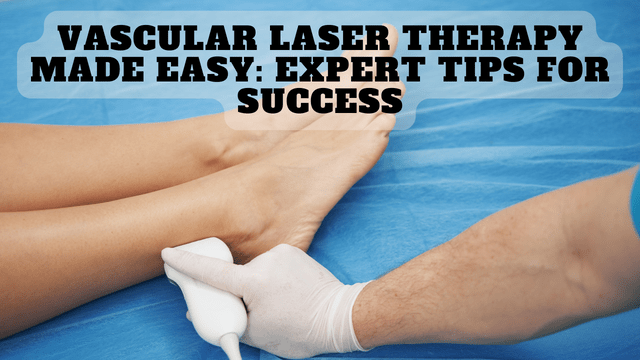
Do you suffer from unwanted vascular lesions like spider veins or port-wine stains? Vascular laser therapy might be the solution for you. This advanced treatment can help remove or reduce the appearance of these lesions, improving the overall look and feel of your skin. In this blog, we will dive deep into vascular laser therapy, covering everything from how it works to identifying different types of vascular lesions that can be treated. We’ll also discuss pre and post-treatment care, as well as real-life success stories with vascular laser therapy. Finally, we’ll address some common misconceptions about this procedure to help you make an informed decision about whether it’s right for you. So sit back and let us guide you through everything you need to know about vascular laser therapy.
Understanding Vascular Laser Therapy
Vascular laser therapy employs laser light to target blood vessels, spider veins, and vascular lesions, improving the appearance of skin anomalies. This non-invasive treatment selectively treats various vascular conditions without harming surrounding healthy skin, offering an effective solution for vascular anomalies.
The Science Behind It
Using selective photothermolysis, vascular laser therapy delivers laser energy to target blood vessels, treating specific vascular conditions such as red lesions and fine lines on facial skin. The therapy’s pulse frequency and duration are adjusted for optimal results, heating and impairing blood vessels for their gradual removal. This process utilizes yag laser and vbeam laser technologies.
Clinical Uses and Benefits
Clinical Uses and Benefits: Vascular laser therapy effectively treats capillary malformations and spider angiomas, improving the quality of life for patients with vascular birthmarks and venous lakes. Additionally, it offers cosmetic dermatology benefits by reducing spider leg veins and treating vascular lesions with minimal side effects, enabling patients to resume normal activities soon after treatment.
Key Types of Vascular Lasers
Pulsed dye lasers utilize selective photothermolysis to treat vascular conditions like port wine stains. Potassium titanyl phosphate lasers effectively target vascular lesions, spider veins, and sun exposure-related skin problems. Long-pulse neodymium:yttrium-aluminum-garnet lasers are ideal for leg veins and vascular birthmarks, while diode lasers offer precision in treating blood vessels and anomalies. Intense pulse light sources provide a non-invasive option for various vascular lesions.
Pulsed Dye Laser
Pulsed dye lasers use concentrated light to target vascular birthmarks and blood vessels. They effectively treat poikiloderma of civatte and facial skin conditions. The laser’s wavelength is well-absorbed by blood vessels, making it valuable for vascular lesions. Treatment yields optimal results in a set number of sessions without extensive downtime, allowing patients to resume normal activities promptly.
Potassium Titanyl Phosphate Laser
Potassium titanyl phosphate lasers effectively address spider veins, vascular lesions, and capillary malformations in cosmetic dermatology. The therapy targets blood vessels non-invasively, with minimal side effects for enhanced comfort. Optimized pulse duration and frequency ensure safe and efficient treatment, making it a valuable option in laser surgery and medical aesthetics.
Long-Pulse Neodymium:Yttrium-Aluminum-Garnet Laser
Long-pulse neodymium:yttrium-aluminum-garnet (Nd:YAG) lasers effectively target leg veins and vascular birthmarks, showcasing precision in treating vascular anomalies. Sessions with this laser type deliver favorable results, gradually improving the appearance of vascular lesions. The therapy’s efficacy contributes to overall improved patient outcomes.
Diode Laser
Diode lasers provide precise treatment for vascular lesions, spider veins, and anomalies. They are effective in cosmetic dermatology, offering safe and comfortable therapy with minimal side effects. The laser’s energy and pulse frequency are optimized for efficient vascular condition treatment. Diode lasers are valuable tools for vascular laser therapy.
Intense Pulse Light Sources
Intense pulse light sources, such as YAG laser and Vbeam laser, offer non-invasive treatment for various vascular lesions like spider angiomas. Customized pulse frequency and minimal side effects contribute to improved patient outcomes. These sources effectively improve skin surface appearance and are a valuable tool in cosmetic dermatology.
Identifying Vascular Lesions for Laser Therapy
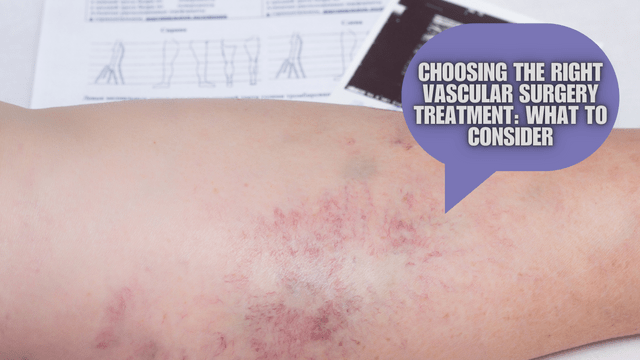
Vascular lesions suitable for laser therapy encompass spider veins, vascular birthmarks, and capillary malformations. Sun exposure-related skin conditions like red lesions can also be effectively treated. Additionally, patients with vascular anomalies, venous lakes, and poikiloderma of civatte can benefit from laser therapy. An initial physical exam is essential for identifying these suitable vascular lesions.
Telangiectasias and Related Conditions
Telangiectasias, including spider angiomas, can be effectively treated with yag laser or vbeam laser therapy. These vascular laser treatments target various conditions and help patients with a range of vascular conditions, reducing the appearance of red lesions. Laser surgery options are available for various skin conditions, offering successful outcomes.
Capillary Malformation/Port Wine Stain
Vascular laser therapy offers effective treatment options for capillary malformations, targeting port wine stains with optimal results in a majority of patients. It significantly improves the quality of life for individuals with port wine stains and is proven to be effective in treating capillary malformations. Various laser options are available for the treatment of port wine stains.
Venous Lakes and Leg Veins
Laser therapy effectively reduces the appearance of venous lakes and spider leg veins by targeting blood vessels. It improves skin surface affected by these conditions with minimal side effects, offering treatment for various vascular conditions without repetition or re-introducing the context.
Preparing for Vascular Laser Treatment
During the initial consultation, understanding the treatment process is crucial. Patients receive pre-treatment care and tailored instructions. Protective eyewear is essential during sessions, considering skin color and surrounding healthy skin for optimal results. The laser therapy sessions are personalized to address specific vascular conditions.
Initial Consultation and Evaluation
During the initial consultation, the patient’s medical history and treated area are assessed. A physical exam is conducted to evaluate vascular conditions before laser therapy. Vascular anomalies are examined to determine suitable laser treatment options, which are discussed based on the evaluation of the lesions. The pulse duration and frequency for laser therapy are determined during this evaluation.
Pre-Treatment Care and Instructions
Before vascular laser therapy, patients should avoid sun exposure and may be advised to wear compression stockings. They will receive instructions on their normal activities prior to the sessions. The treated area will be prepared according to specific guidelines, and treatment options will be discussed.
Post-Treatment Care and Recovery
After vascular laser therapy, immediate care involves shielding the treated area and skin lesions. Long-term maintenance guidance is given, and normal activities can resume post-care. Monitoring of skin conditions and personalized recovery guidance are essential. The YAG laser and Vbeam laser are commonly used for post-treatment care and recovery.
Immediate Post-Treatment Care
After vascular laser therapy, it’s essential to protect the skin surface and manage any side effects. Patients receive instructions for protective measures and can resume normal activities after the immediate post-treatment care. Evaluating skin conditions is crucial during this stage to ensure proper recovery.
Long-Term Care and Maintenance
Monitoring treated skin conditions, providing guidance for quality of life post-treatment, assessing skin lesions and vessel walls, educating patients on laser energy effects, and ensuring optimal results through long-term care support. This entails using NLP terms like yag laser, vbeam laser, and troilius a to enhance content.
Real-life Success Stories with Vascular Laser Therapy
Patients reveal the transformative effects of yag laser and vbeam laser treatments. Their journey showcases the positive impact of laser surgery on vascular conditions, emphasizing the benefits and effectiveness of troilius a treatments. Real-life experiences highlight the improvement after laser therapy, reinforcing the significance of lasers med sci in vascular treatments.
What are the Common Misconceptions about Vascular Laser Therapy?
Misconceptions about vascular laser therapy include the belief that it’s painful, when in fact it’s generally well-tolerated. Another misconception is that it’s only for cosmetic purposes, when it can actually treat medical conditions. Contrary to popular belief, recovery is usually quick and multiple sessions may be needed for optimal results.
Conclusion
In conclusion, vascular laser therapy is a safe and effective treatment option for various vascular lesions. Understanding the science behind it and identifying the specific lesions that can be treated with laser therapy is crucial. With different types of vascular lasers available, each with its own benefits and applications, it’s important to consult with a qualified professional to determine the most suitable treatment for you. Before undergoing vascular laser therapy, proper preparation and post-treatment care are necessary for optimal results and minimal downtime. Following these guidelines and maintaining long-term care will ensure a successful outcome. Real-life success stories highlight the positive impact of vascular laser therapy, dispelling common misconceptions about its effectiveness and safety. It has helped many individuals regain their confidence and improve their quality of life. If you’re considering vascular laser therapy, consult with a knowledgeable professional who can guide you through the process and address any concerns or questions you may have. Don’t hesitate to take the first step towards achieving healthier, clearer skin with vascular laser therapy.

 vein
vein 